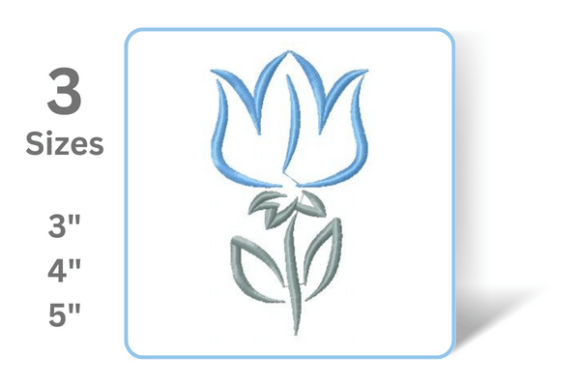
Blue Rose Embroidery Design Review
As an embroidery designer with years of experience, I've come across countless machine embroidery designs, but few have caught my attention like the Blue Rose. This floral design is a versatile and elegant addition to any creative project, whether you're working on custom apparel, home decor, or personalized gifts. In this review, I'll share my firsthand experience using Blue Rose in real-world scenarios and how it can elevate your handmade products and commercial embroidery work.
First Impressions of Blue Rose
From the moment I viewed the Blue Rose design, I was struck by its visual mood and intricate details. The soft, flowing petals and delicate leaves give it a timeless elegance that feels both modern and classic. The stitching personality is clean and precise, making it ideal for a wide range of fabrics and projects. Whether you're looking for a subtle accent or a bold statement, Blue Rose has the potential to add a touch of sophistication to your work.
The design’s decorative appeal is undeniable. It features a mix of satin stitch, fill stitch, and running stitch elements, which contribute to its rich texture and depth. This balance of detail and simplicity makes it suitable for both minimalist and ornate projects.
Real-World Embroidery Performance
I tested Blue Rose on several fabrics and found that it performs exceptionally well on cotton, linen, and lightweight denim. The design adapts well to different textures, making it a great choice for tote bags, sweatshirts, and aprons. However, I noticed that the dense stitch areas required careful stabilizer use to prevent puckering, especially on stretchy or thin materials.
One of the standout features of Blue Rose is its adaptability. It works well as an applique design, a standalone embroidery piece, or even as part of a larger composition. Its size and shape make it ideal for embroidered patches, baby blankets, and kitchen towels. For curved surfaces like caps or pillow covers, the design maintains its integrity without distortion.
Practical Use in Handmade Projects
When considering Blue Rose for real customer orders, I evaluated its performance in various scenarios. For example, when used on a tote bag design, the embroidery added a refined touch that enhanced the product's overall appeal. On a sweatshirt, the design stood out without overwhelming the garment, making it a great option for custom apparel.
For baby items, such as onesies or blankets, the design’s soft color palette and gentle lines made it a perfect fit. It also worked well on aprons and kitchen towels, where the combination of durability and aesthetic appeal is essential. When used on a cap, the design maintained its shape and clarity, proving its versatility across different embroidery surfaces.
Considerations for Commercial Embroidery
If you're planning to use Blue Rose in a commercial setting, there are a few key factors to keep in mind. First, always test the embroidery file on scrap fabric before committing to a full project. This helps identify any issues with stitch density or thread color contrast that may not be immediately apparent.
Check the hoop size requirements and ensure your machine can handle the design’s dimensions. For dense areas, consider using a higher-quality stabilizer to maintain the design’s crispness. Also, compare mockups on both light and dark fabrics to see how the design will look in different contexts.
Enhancing Product Value and Branding
Blue Rose has the potential to significantly enhance the value of your handmade products. Its elegant design adds a level of sophistication that can differentiate your offerings from competitors. Whether you're selling on Etsy, at craft fairs, or in your own boutique, the visual appeal of Blue Rose can help attract customers and build brand consistency.
For personalized gifts, the design offers a beautiful way to add a unique touch. It also works well with printable mockups, allowing you to showcase your finished products in high-quality images that can be used for marketing or listings. The design’s versatility means it can be adapted to a wide range of products, from seasonal handmade gifts to everyday accessories.
Embroidery Tips and Best Practices
To get the best results with Blue Rose, follow these practical tips:
- Test on scrap fabric: Always test the design on a sample piece before starting a full project.
- Check thread color contrast: Ensure the thread colors you choose complement the fabric and design.
- Review stitch density: Adjust the stitch density if needed to avoid puckering or distortion.
- Confirm hoop size: Make sure your machine can accommodate the design’s dimensions.
- Compare light and dark fabric mockups: See how the design looks on different backgrounds.
- Use proper stabilizer: Apply stabilizer to prevent shifting or stretching during embroidery.
- Inspect small details after stitching: Check for any missed stitches or imperfections.
- Confirm file details and licensing: Review the Creative Fabrica product page to ensure the design meets your needs.
Final Thoughts on Blue Rose
Overall, Blue Rose is a highly versatile and visually appealing machine embroidery design that can elevate a wide range of projects. Its detailed stitching and elegant style make it a valuable addition to any embroidery collection. Whether you're creating custom apparel, personalized gifts, or commercial embroidery products, Blue Rose offers a reliable and stylish option that can enhance your work and attract discerning customers.
As an experienced embroidery designer, I recommend Blue Rose for its quality, adaptability, and potential to add a touch of beauty to your handmade creations. With proper testing and care, it can become a staple in your design library and a favorite among your clients.