Hand Saw Embroidery Design Review
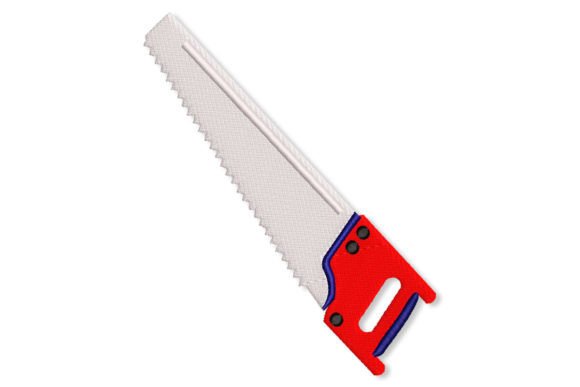
The Hand Saw embroidery design offers a unique and thematic element that can elevate a variety of textile projects. Its visual personality is both functional and artistic, making it ideal for work-themed or craft-oriented items. The design features clean lines and a straightforward shape that translates well into machine embroidery, but it also requires careful consideration when applied to different fabrics and project types.
First Impressions: A Design with Purpose
From the first glance, the Hand Saw design exudes a sense of practicality and craftsmanship. It’s not overly intricate, but its simplicity allows it to stand out in a variety of contexts. The image of a hand saw is clear and recognizable, which makes it a strong choice for projects that aim to convey a DIY, workshop, or artisanal vibe.
The layout is balanced, with enough detail to make it visually engaging without being overwhelming. This makes it suitable for both large and small embroidery projects, depending on the scale and application. The design feels like it belongs on custom apparel, baby items, or even as an embroidered patch for a work-related accessory.
Real-World Use Cases: Where Does Hand Saw Shine?
Imagine you're preparing a custom embroidered tote bag for a client who runs a small woodworking shop. The Hand Saw design would be a perfect fit, adding a personal and thematic touch that aligns with their brand. It could also work well on a sweatshirt for a craft fair vendor or as part of a personalized gift for a hobbyist.
On a baby onesie or a nursery wall hanging, the design adds a subtle yet meaningful reference to manual labor and creativity. For holiday gifts or personalized items, it can serve as a nostalgic reminder of craftsmanship and hands-on skills.
As an applique design, the Hand Saw could be used in layered embroidery projects, especially when paired with contrasting thread colors. It also works well as a satin stitch or fill stitch design, depending on the desired texture and finish.
Challenges and Considerations: When to Be Cautious
While the Hand Saw design is versatile, there are situations where it may not perform as well. On small hoop sizes, the details might become too compressed, leading to a less defined appearance. Thin or stretchy fabrics can cause the design to lose clarity, especially if the stabilizer isn’t properly applied.
On dark fabrics, the design may require a lighter thread color to maintain visibility. Similarly, on textured or woven materials, the stitching might not sit as smoothly as on a smooth cotton or polyester base. For curved surfaces like caps or hats, the design may need some adjustment to ensure it lies flat and doesn’t distort during wear.
When working with dense stitch areas or tiny lettering, the Hand Saw design may need to be simplified or adjusted for optimal results. It’s also important to test the design on scrap fabric before committing to a final project, especially if it’s intended for commercial use.
Impact on Visual Appeal and Customer Perception
The Hand Saw design has the potential to enhance the visual appeal of any finished product. Its clean, recognizable form adds a professional touch to handmade products and can increase customer trust when used in a consistent brand style. As a personalized gift, it can create a strong emotional connection with the recipient, especially if they have a background in carpentry or DIY projects.
In terms of product value, the design can help differentiate a small shop product from generic alternatives. It also supports brand consistency by reinforcing a theme or message through repeated use across different items. For Etsy sellers or craft businesses, this kind of design can improve buyer engagement and encourage repeat purchases.
Practical Tips for Embroidery Designers
Before using the Hand Saw design in your next project, consider these key points:
- Test on scrap fabric to see how the design looks and stitches on your specific material.
- Check thread color contrast to ensure the design stands out on the chosen fabric.
- Review stitch density to avoid over-stitching or under-stitching issues.
- Confirm hoop size to ensure the design fits comfortably and maintains its integrity.
- Inspect small details for any areas that may need refinement or simplification.
- Test in black and white mockups to see how the design appears without color.
- Compare light and dark fabric backgrounds to determine the best presentation.
- Use proper stabilizer for delicate or stretchy fabrics to prevent distortion.
- Ensure the design works for both personal and commercial projects based on your needs.
- Confirm licensing before selling finished items or digital products.
Final Thoughts: A Design Worth Considering
The Hand Saw embroidery design is a solid choice for those looking to add a thematic and practical element to their work. Whether you're creating custom apparel, baby items, or small shop merchandise, it offers a balance of simplicity and character that can enhance your creative projects.
By understanding its strengths and limitations, you can make informed decisions about where and how to use it. With proper testing and attention to detail, the Hand Saw design can become a valuable addition to your embroidery file library and a reliable asset in your craft business.